Skip to content

Heroes Diaries

A narrative interactive game with more than 30 decision paths, built in Ren'Py by a 12-person team I co-founded and led in Moscow.

Status
Shipped
Role
Co-founder · team lead
Stack
Python · Ren'Py
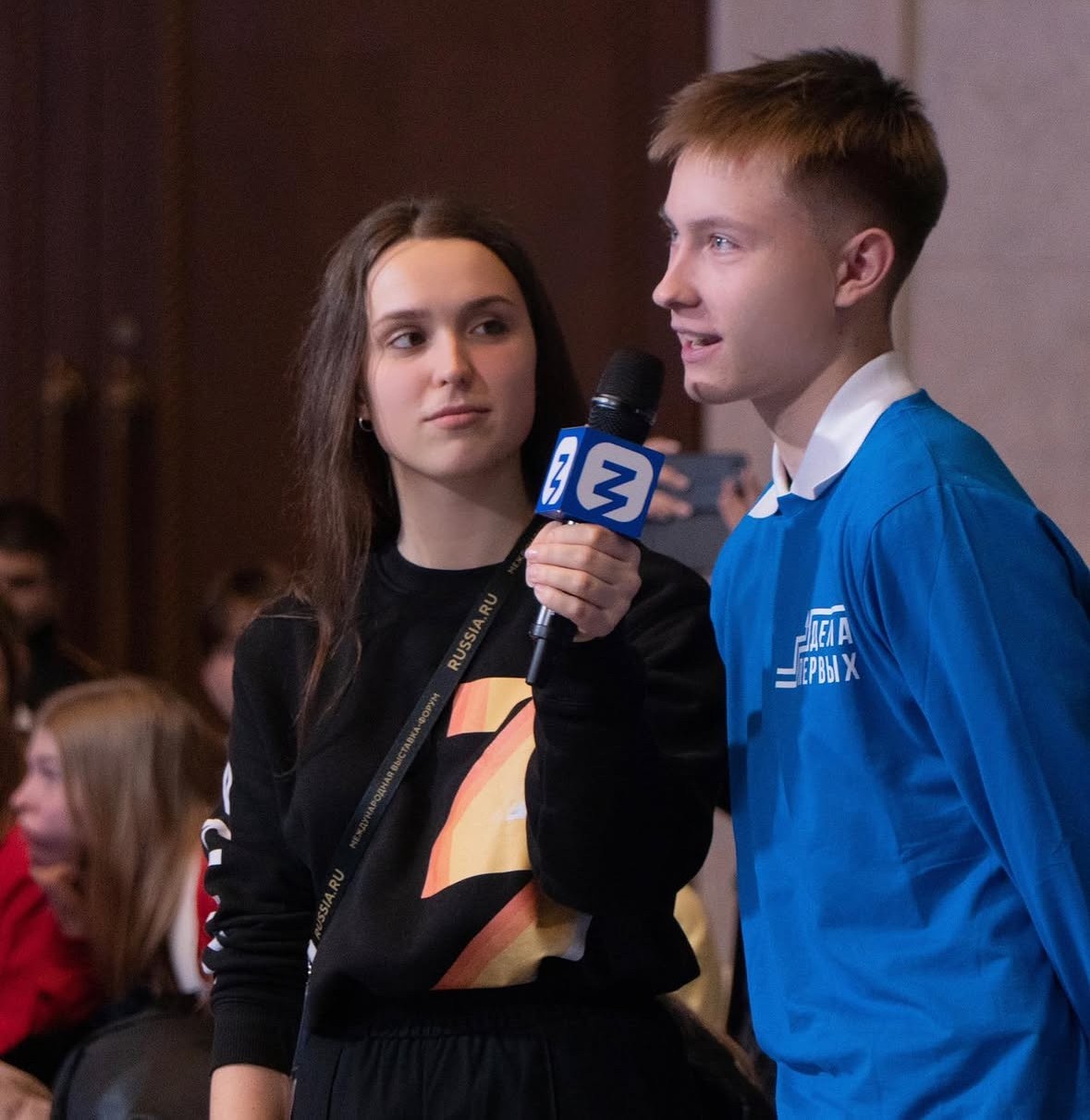
A young man in a blue shirt speaks into a microphone that an interviewer holds for him at a public event.

5,000+

downloads through the partner distribution

30+

decision paths in the story

12

people on the team 

Case study

Context

Heroes Diaries tells the real stories of World War II veterans: what they went through, and the lives they had to leave behind. It covers one of the most heartbreaking chapters of the 20th century, including the Soviet Union's part in the victory.

We made it for children and teenagers, to make the case for peace: to show, through the people who lived it, why wars are bad.

The game is built on moral persuasion. It works on emotion (the peripheral route) and on the facts and logic of the veterans' actual accounts (the central route). Both run through one authentic, coherent story, the narrative paradigm, which connects players with the storytellers.

My contribution

  • Co-founded the project and led its 12-person team.
  • Devised the game's branching method: how each decision point is written, and how its branches change the game. One invariant holds on every path: a choice changes the route through a veteran's story, never its moral. Each story has one moral, or a couple of specific ones, and all 30+ decision paths resolve to them.
  • Researched the optimal coding platform for the team: better configuration, easier to use.
  • Secured a government partnership and a distribution channel for the finished game.

Process

  1. Research and calibration

    Deep research into the topic: how real people's stories could be implemented, how appropriate that is, and the ethics of decision paths in a true story. Then calibrating the method, so each story is interactive and still keeps its moral on every path.

  2. First team

    Building the first decks and finding teammates. I found my co-founder, and together we iterated on the idea and on how to bring it into the world.

  3. Distribution and partnership

    Talks with possible distributors and their collaborators, which led to a partnership. It gave us a stronger production team, 10 more people, and more access to the veterans who gave us their stories and to the audience we made the game for.

  4. Work on first deliverables

    We coded, interviewed and worked on the scripts, always accounting for the method and keeping in touch with our storytellers. We produced our first stories and shipped them to our first users, who gave us feedback for further improvements and iterations.

  5. Expert review

    We presented the product at international conferences, where professionals from the field, the judges and advisors, reviewed it and gave us their advice.

  6. Launch

    We iterated on the product through further production, which led to our final launch and the end of a full school year of collaboration and partnership.

Next project

In development Python · Presidio · spaCy · OpenCV · Tesseract

PII Identifier

A local web app that detects and redacts personal data in CSV, text and image files, with a 20+ category redaction policy and a synthetic corpus for evaluation.